
KEO News Wire
Springboks & All Blacks justify all the pre-tour hype
The Springboks and All Blacks justified all the pre-tour hype in the four-Test series.
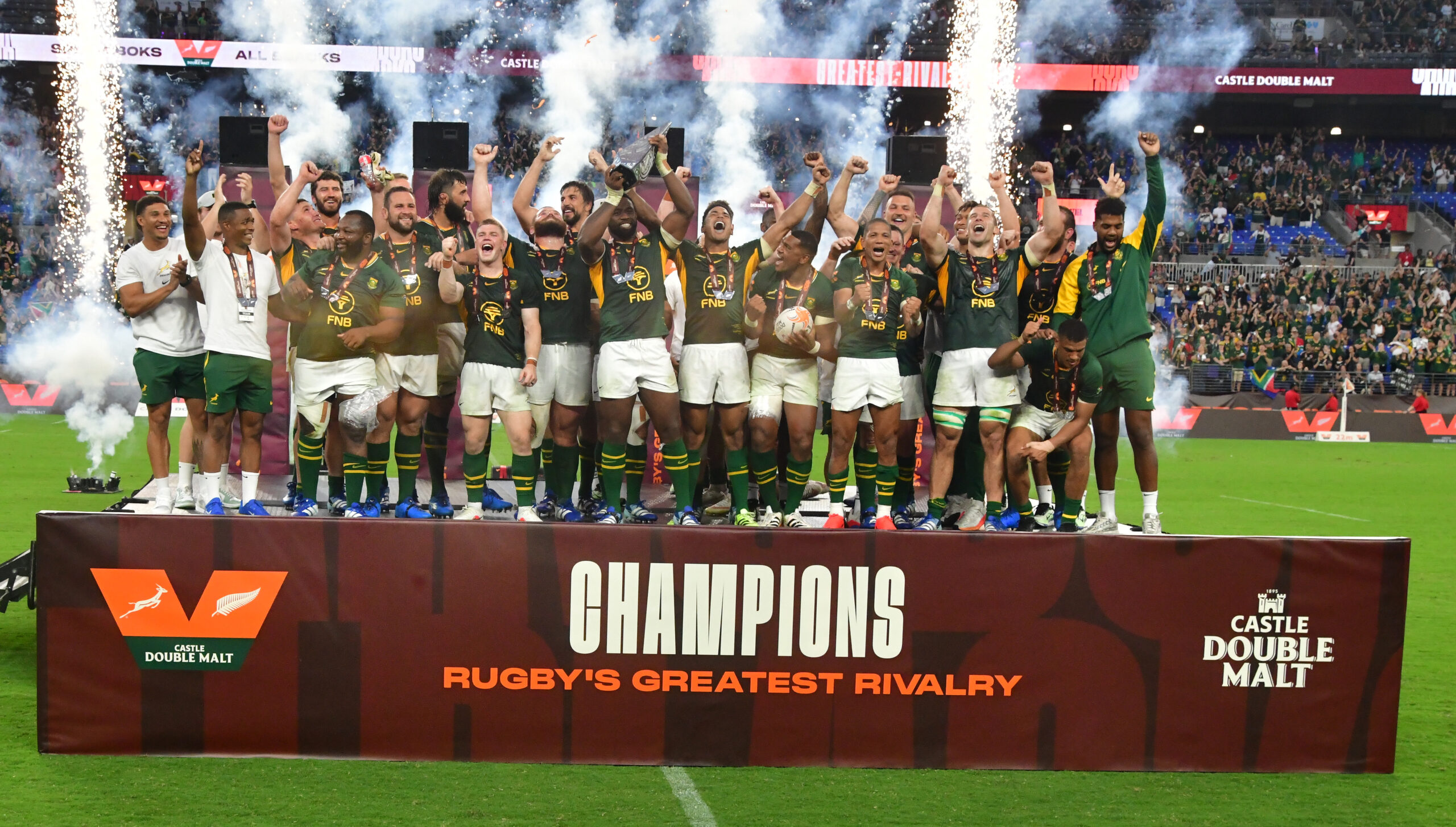
Rugby’s Greatest Rivalry between the Springboks and All Blacks was even greater than advertised.
This was no contrived marketing sell. You cannot manufacture 105 years of history, 114 Tests, including Baltimore, and the emotional pull of the two most successful rugby nations in the sport.
Springboks & All Blacks
The All Blacks came to South Africa for seven matches, including three Tests, and for a month the country was consumed by black, green and gold. New Zealand was just as absorbed. The build-up was huge and the tour exceeded it.
We learned that the All Blacks are more loved in South Africa than ever. They remain the Springboks greatest rivals, but also their greatest rugby friends.
Among supporters it was as much a Friendship Tour as a Rivalry Tour. Among the players, respect never became pretence. Nobody embodied this more powerfully than captains Siya Kolisi and Ardie Savea. They competed fiercely, spoke warmly and showed that rivalry does not need bitterness to have meaning.
The All Blacks back play was unrivalled and breathtaking. South Africans were treated to attacking rugby not seen here since the glory years of New Zealand’s Super Rugby dominance.
They played with width, timing, skill and instinct. Give New Zealand space and rhythm and no team in the world punishes an opponent quite like them.
The Springboks offered the counterpoint. Their scrum, lineout and maul again showed why they have won successive World Cups, successive Rugby Championships and 42 of their last 49 Tests, pre Baltimore.
New Zealand’s backs thrilled and South Africa’s set piece thrilled in a very different way. The contrasts in style defined the intensity and intrigue.
The series reminded us why these two nations belong together and why there is a place in the modern calendar for a proper tour every four years. The Springboks go to New Zealand in 2030 and the All Blacks return in 2034.
The lure is greater than the romanced British & Irish Lions tour to South Africa every 12 years. This is not a composite team arriving on reputation and nostalgia of an archived amateur era. This is the greatest against the greatest and the sport’s most successful against the most successful.
The concept worked and the execution, mostly, worked. But success cannot mask the mistakes.
Ticket pricing was a misjudgement. Test prices should have been significantly different from prices for the four tour matches. This became a series for corporates and the rich while too many ordinary South Africans watched from a distance.
That was wrong.
A national rugby occasion cannot be celebrated as inclusive when the price excludes those who give the Springbok identity its voice, colour, soul and meaning.
Government and SA Rugby could have done more to ensure the tour belonged to every South African, not only the financially fortunate. Protecting a government-gazetted event matters, but so does selling its meaning through the media and making it accessible to the population whose passion gives it value.
The schedule was flawed. All four South African URC teams were in pre-season, which immediately compromised the tour matches.
Then came the allocation: the Sharks in Durban on a Tuesday, the Lions on a Tuesday, the Stormers on a Friday and the Bulls on a Saturday.
The Stormers and Bulls were always the safer crowd bets. The Saturday opportunities should have gone to the Sharks and Lions. A grand concept still requires practical thinking.
These are learnings, not reasons to diminish what unfolded. The tour succeeded because the rivalry is real, the rugby was compelling and the human connection between the nations is genuine.
South Africa lived it for a month. New Zealand, judging by the intensity of its media coverage, lived it just as fully. It was relentless, emotional and memorable.
Rugby’s Greatest Rivalry proved that traditional tours still have a place, provided there is an acceptance that heritage cannot belong only to those who can afford the ticket.
The All Blacks left more admired than when they arrived and the Springboks reinforced why they are back to back world champions.
The tour was a triumph. Next time, it must be a triumph for everyone.








-
 International Rugby2 weeks ago
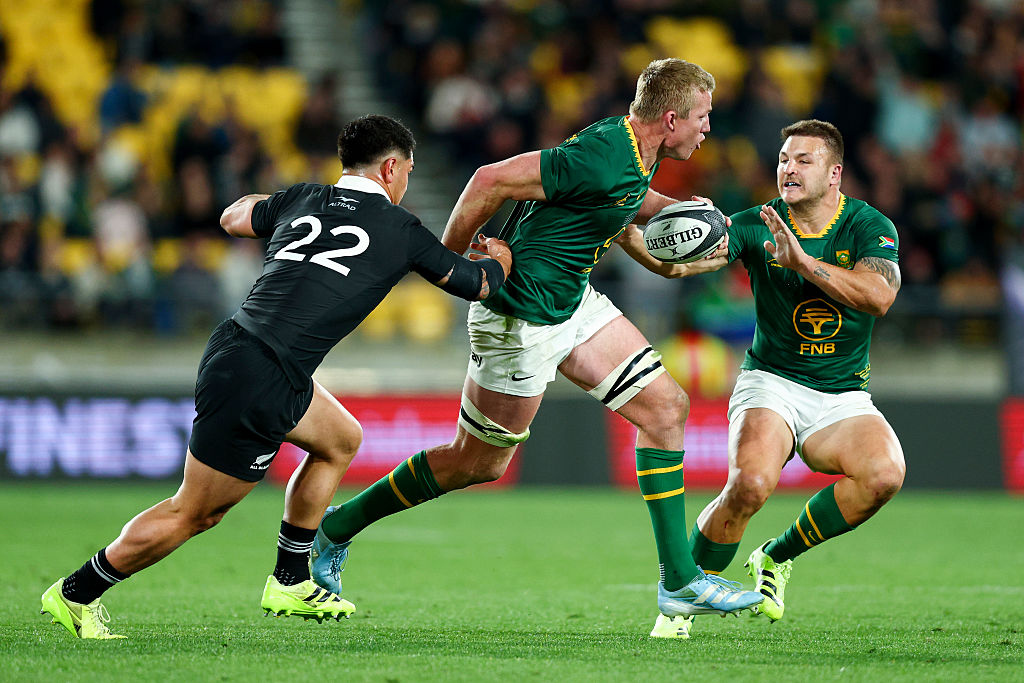
Springboks v All Blacks: Rugby’s Greatest Rivalry
-

 KEO News Wire2 weeks ago
Local is lekker as the Le Roux’s take charge of the Stormers
-

 KEO News Wire2 weeks ago
The Men in Black are back Baby: Stormers reveal
-

 KEO News Wire2 weeks ago
Joel Stransky’s drop goal was the real thing
-

 KEO News Wire1 week ago
Siya’s Super Springboks are simply the best in the world
-
 KEO News Wire1 week ago
The Springboks v All Blacks: The New Zealand view
-
 KEO News Wire1 week ago
The Springboks v All Blacks. The South African view
-
 KEO News Wire7 days ago
42 wins in 49 Tests: These Springboks are simply relentless