Connect with us

KEO News Wire

NZ media: All Blacks win, but Boks warning rings loud

The Stormers lost but they exposed the soft underbelly of the All Blacks.
Published

on

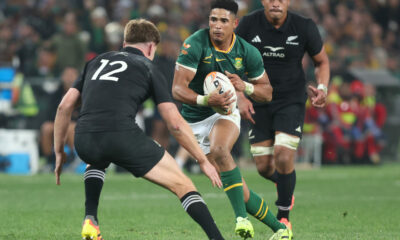
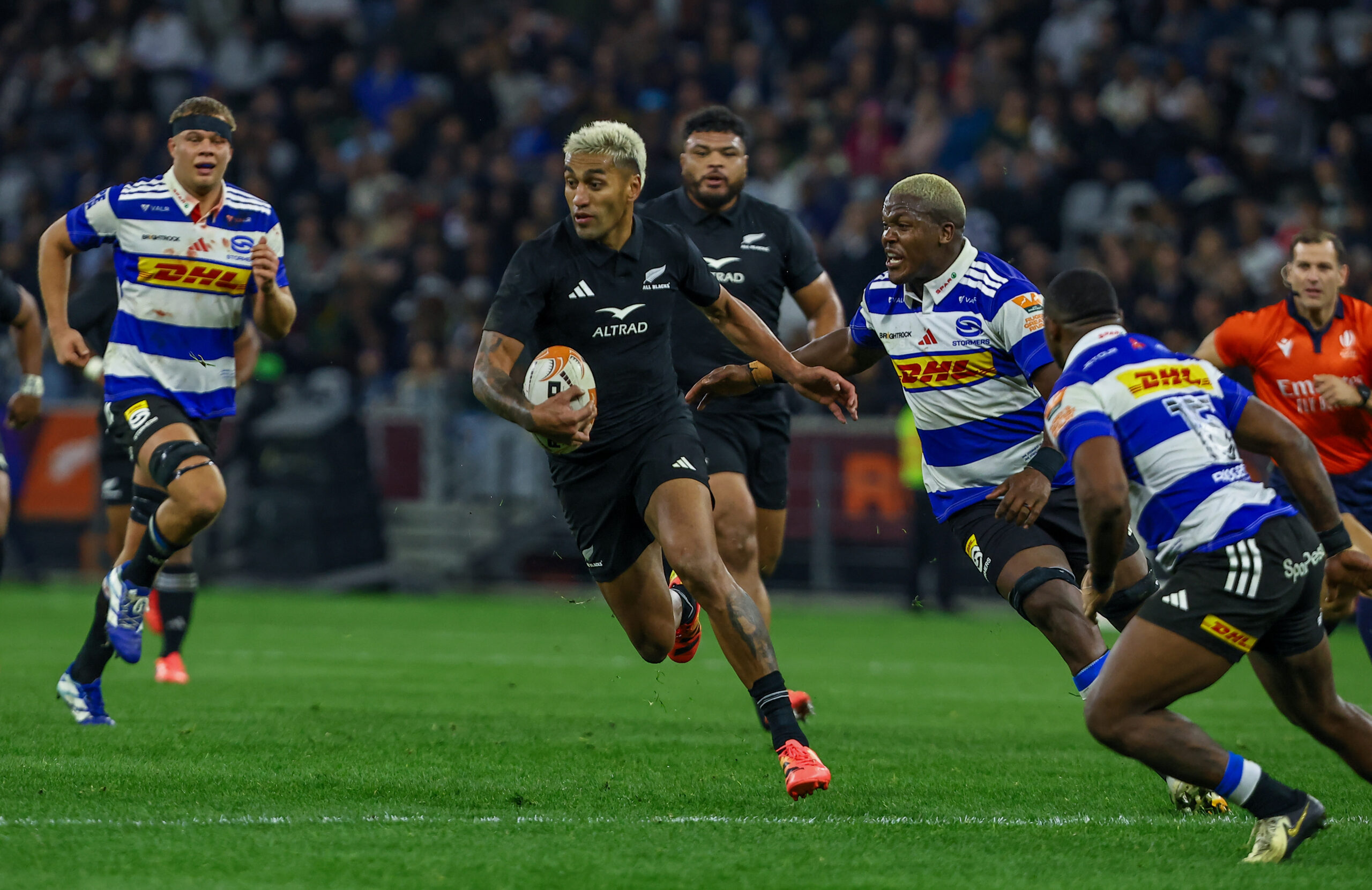
ieko Ioane of New Zealand during the Rugby's Greatest Rivalry match between DHL Stormers and New Zealand at DHL Stadium on August 07, 2026 in Cape Town, South Africa. (Photo by Roger Sedres/Gallo Images)

The All Blacks beat the Stormers  38-21 in Cape Town, but New Zealand’s rugby writers weren’t buying the comfort of the scoreboard.

The collective verdict from the Rugby’s Greatest Rivalry tour opener was brutal: play like this against the Springboks and the All Blacks will be punished.

Liam Napier, Gregor Paul and Richard Knowler all arrived at essentially the same conclusion after an understrength Stormers side rattled the tourists at DHL Stadium.

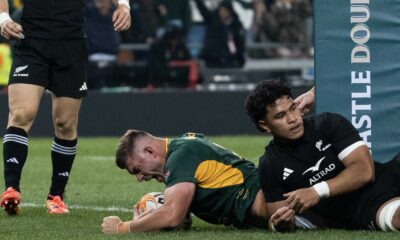
The All Blacks scored six tries and eventually won by 17 points, but the New Zealand media focus was on everything that went wrong before four late tries gave the scoreline a flattering finish.

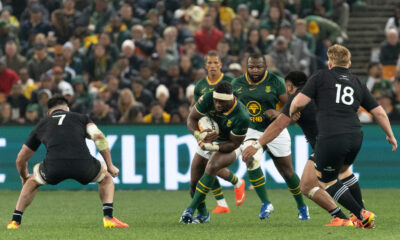
The scrum struggled. The discipline was dreadful. The high-ball work was poor. The Stormers maul hurt them. The All Blacks were shown three yellow cards.

And the Stormers did all this without nine Springboks.

NZ Herald Napier’s assessment was that the Stormers had provided an immediate demonstration of South African rugby’s depth and a preview of where the Springboks will target the All Blacks.

He highlighted Vernon Matongo’s domination of Pasilio Tosi at scrum time, with the Stormers loosehead winning three penalties, and described the All Blacks scrum as consistently under pressure.

Napier was equally concerned by the three yellow cards and the All Blacks’ problems dealing with the Stormers’ kicking game.

For all the experience of Beauden Barrett, it was 20-year-old Stormers flyhalf Yaqeen Ahmed who earned Napier’s praise. Ahmed, in his Stormers debut after leading the Junior Springboks to world championship success, was judged to have had the greater influence of the two No 10s.

NZ Herald’s Gregor Paul was even more damning.

His assessment was that the All Blacks managed to get almost every important South African rugby requirement wrong and still win.

Paul identified the scrum, penalties, aerial contest and defence of the driving maul as significant failures. His warning was the strongest of the New Zealand reaction: reproduce those deficiencies against the Springboks and there would be little prospect of the All Blacks winning the series, or even being consistently competitive.

The one positive was character.

The All Blacks found enough accuracy and directness late in the match to score three tries as the Stormers tired, but Paul cautioned against allowing that finish to disguise what had happened for most of the contest.

Stuff.co.nz Richard Knowler shared the concern.

He described Dave Rennie’s All Blacks as disjointed and lacking cohesion, while acknowledging that many of the combinations were new and several players had not played for weeks.

Knowler expects personnel changes against the Sharks to improve the scrum, particularly with Ethan de Groot and Tyrel Lomax available, but he identified the All Blacks’ aerial work as potentially the more enduring weakness.

That was also where his assessment turned towards the Springboks.

The Stormers, in Knowler’s view, had effectively provided the Boks with the blueprint: attack the All Blacks scrum, maul them from the lineout and test them repeatedly in the air.

Individually, New Zealand’s media found positives. Anton Lienert-Brown was named player of the match, Peter Lakai impressed, Fabian Holland made two important lineout steals and Rieko Ioane was prominent.

Collectively, though, there was little celebration.

The All Blacks got the win.

The Stormers supplied the warning.

And New Zealand’s rugby media left Cape Town talking less about the 38 points the All Blacks scored and more about what the Springboks could do to them if the same weaknesses travel into the Test series.


Trending

Copyright © 2025 Keo.co.za